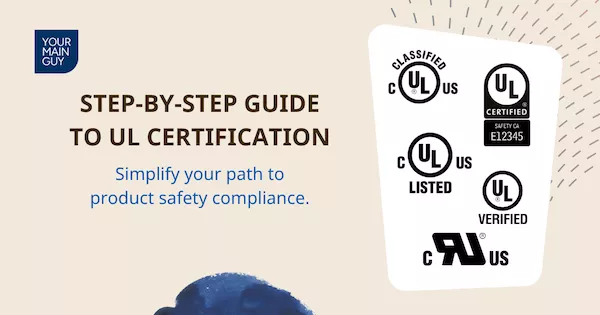
Stay informed with expert guidance, industry trends, and strategic tools to support your product, compliance, and growth goals.
Subscribe.webp)
RSP-100 and DC-01 are easy to confuse. How to tell which ISED procedure applies to your radio or digital product before you start the certification process in Canada.
.webp)
Some firms sell an ICES-003 Canadian Representative, but no such requirement exists. What ICES-Gen actually says for placing Class A or Class B equipment in Canada.
.webp)
Energy efficiency rules for LED products differ from one market to the next. How to navigate those requirements before you ship your lighting products to new markets.
.webp)
The regulatory roadblocks that quietly inflate the cost of launching in a new market, and how lighting and electrical manufacturers can plan around them early on.
.webp)
The 2026 National Electrical Code brings changes for electrical and lighting manufacturers. What to review in your products and documentation so you stay ready.
.webp)
The plastics, metals and finishes you choose can make or break certification abroad. How material selection shapes global compliance for lighting and electrical products.
.webp)
How to meet thermal safety requirements in lighting design without giving up performance, with the real calculations and trade-offs that end up deciding the design.
.webp)
Design for the rules coming next, not only the ones in force today. Proactive strategies lighting and electrical manufacturers use to avoid costly redesigns later.
Your first export market shapes your whole certification path. We compare Asia-Pacific and Europe for lighting and electrical manufacturers who are planning to expand.
Where in-house pre-screening ends and certification begins for lighting and electrical products, and the clear signs it is time to bring in a compliance consultant.
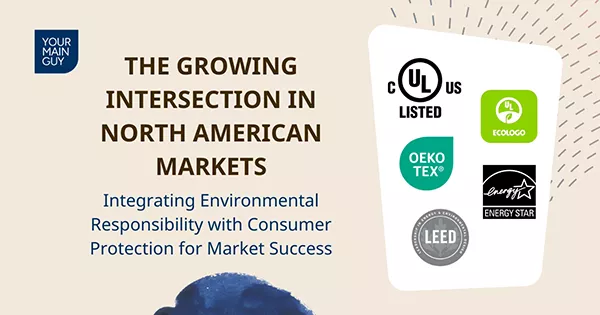
When a halogen-free sustainability spec collides with UL 94 flammability ratings. What lighting manufacturers should weigh before they choose a housing material.
A startup's guide to product safety certification in North America: which marks apply to your product and how to plan a first certification without costly surprises.
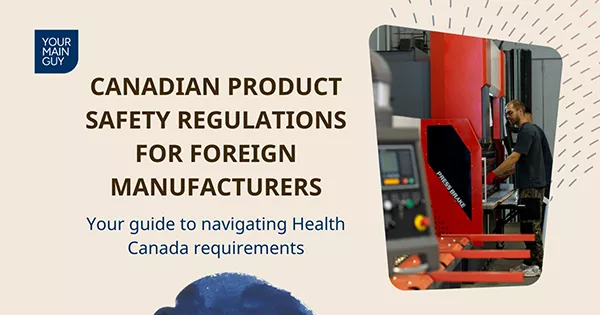
Selling into Canada from abroad? What Health Canada expects, which testing standards apply, and the bilingual labelling rules that foreign manufacturers often miss.

What the recent changes in US consumer product safety law mean for lighting and electrical manufacturers, and what to review in your own compliance plan this year.
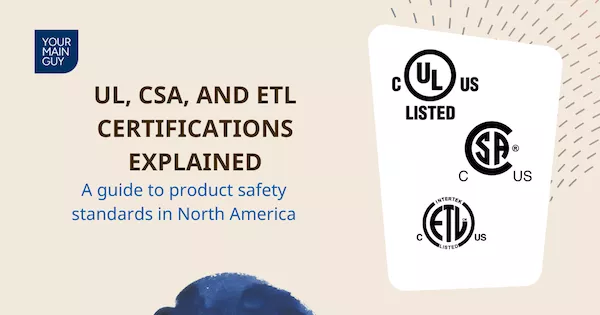
UL, CSA and ETL all show a product meets North American safety standards. How the three marks differ, and how to choose the right certification mark for your product.
Case studies of product safety failures in North America, what they cost the manufacturers involved, and the practical lessons you can apply to your own product line.
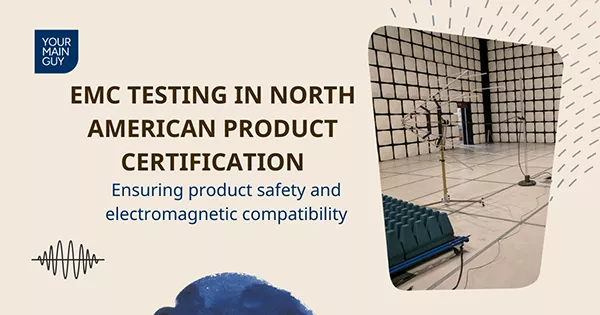
Why EMC testing matters when certifying electrical and lighting products in North America, and how it fits alongside safety certification for your own products.
.webp)
.webp)